Choosing the right food packaging is about more than finding a bag that looks good on the shelf. Your packaging needs to protect the product, work with your filling process, meet relevant food-contact requirements, and give customers a convenient way to use and store what they buy.
That’s why custom plastic pouches have become a practical packaging option for food brands of different sizes. From resealable snack bags to high-barrier coffee packaging and spouted pouches for sauces, these flexible packages can be designed around specific products rather than forcing every product into the same container.
But not every pouch is suitable for every food. Materials, barrier properties, seal strength, and storage conditions all play a role in determining how well the finished package performs.
This guide explains the main types of custom plastic pouches for food packaging, the materials commonly used to manufacture them, and the factors food businesses should consider before ordering.
What Are Custom Plastic Pouches?
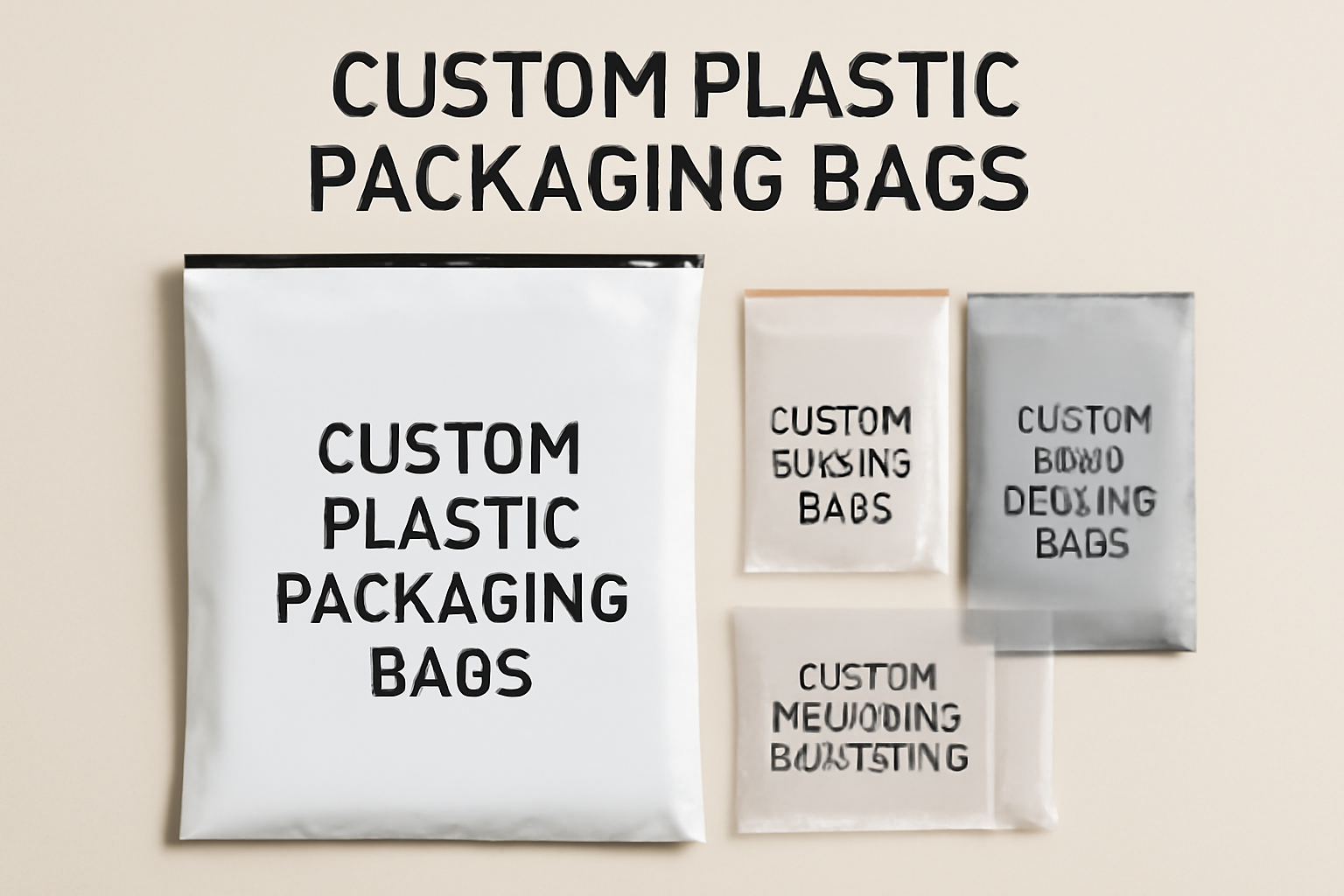
Custom plastic pouches are flexible packages made from plastic films or laminated film structures. They can be manufactured in different shapes, sizes, and material combinations to meet the requirements of specific food products.
Unlike standard stock bags, custom pouches allow brands to select features such as:
- Bag dimensions and filling capacity
- Film materials and barrier performance
- Printed graphics, colors, and surface finishes
- Resealable zippers and tear notches
- Transparent windows and hang holes
- Spouts, caps, and specialized closures
One of their main advantages is flexibility. A small snack company might need a lightweight stand-up pouch with a zipper, while a coffee roaster may require a flat-bottom bag with a high-barrier film and a one-way degassing valve.
Although both packages are plastic pouches, their construction and performance requirements can be very different.
For food manufacturers, the goal is to match the packaging structure to the product, not simply select the most attractive design.
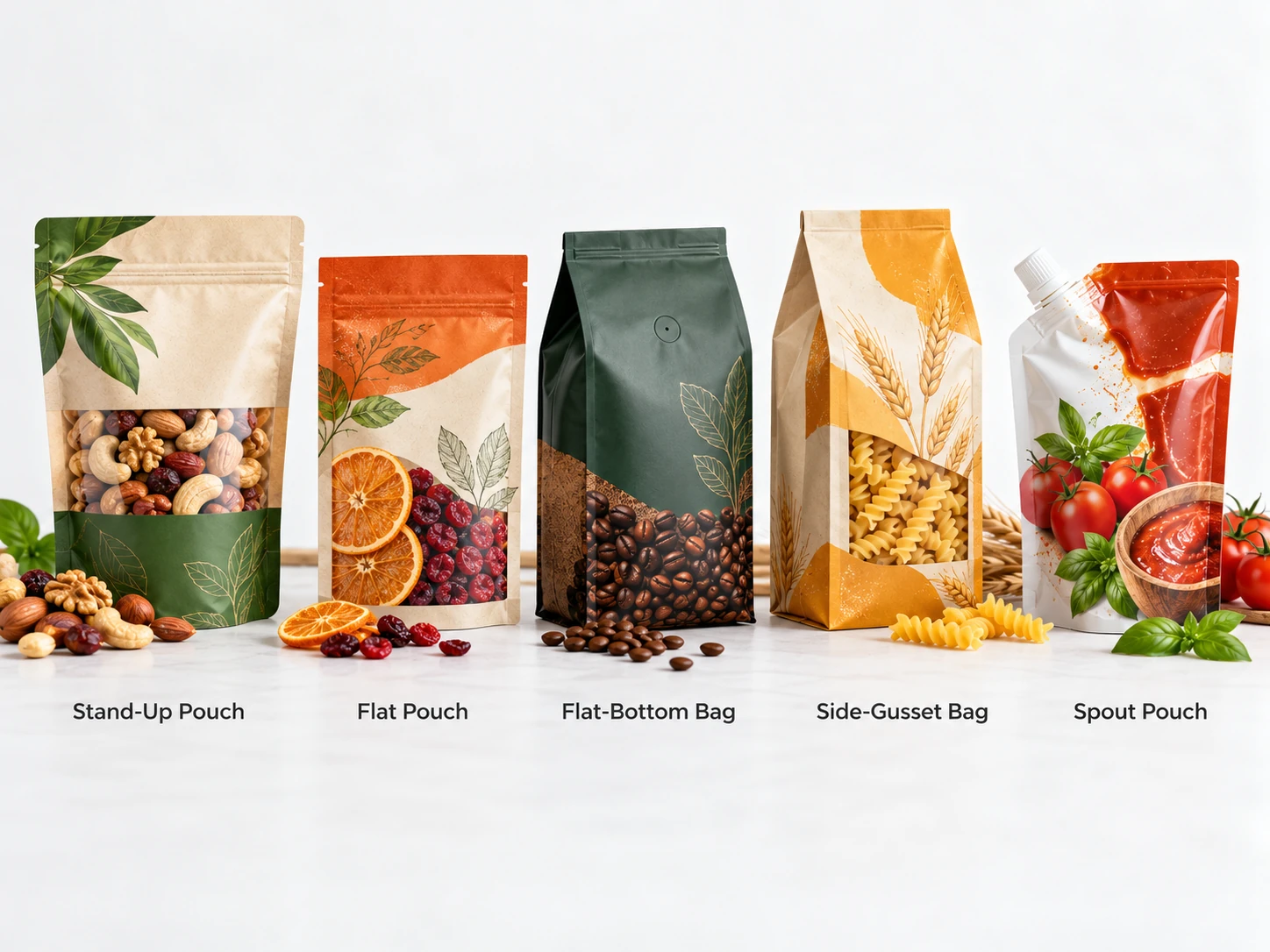
Common Types of Plastic Pouches for Food Packaging
Different pouch styles offer different benefits in shelf presentation, product protection, filling efficiency, and consumer convenience.
1. Stand-Up Pouches
Stand-up pouches have an expandable bottom gusset that allows the bag to stand upright when filled.
They are widely used for:
- Nuts and dried fruits
- Candy and confectionery
- Granola and snack mixes
- Spices and seasonings
- Powdered food products
One reason food brands choose stand-up pouches is their combination of display space and functionality. The front and back panels provide room for branding and product information, while an optional zipper allows customers to close the package after opening.
A clear window can also be added when showing the food itself is important to the purchasing decision. However, brands should consider whether a window affects the light and oxygen protection required by the product.
For additional formats and customization options, explore our custom stand-up pouches.
2. Flat Pouches and Three-Side Seal Bags
Flat pouches, including three-side seal bags, are sealed around three edges and generally do not have a gusseted base.
Their simple construction makes them useful for smaller portions and products that do not need to stand independently on a shelf.
Common applications include:
- Single-serving snacks
- Spice and seasoning packets
- Dried food samples
- Small confectionery products
- Individually packed food ingredients
Flat pouches can be a practical choice when a brand needs compact packaging with relatively little unused space.
They are also suitable for certain automated filling and sealing operations, depending on the equipment and film construction.
3. Flat-Bottom and Side-Gusset Pouches
Flat-bottom pouches are designed with a stable base and multiple printable panels. They are often selected for products that benefit from a structured, premium shelf appearance.
Side-gusset bags expand along the sides, providing additional capacity without requiring a conventional stand-up pouch shape.
These formats are commonly used for:
- Roasted coffee beans
- Ground coffee
- Protein powders
- Bulk snacks
- Specialty dry foods
For coffee and other aroma-sensitive products, the bag’s appearance is only one consideration. The film’s oxygen and moisture barrier properties, seal integrity, and any required degassing valve are equally important.
4. Spout Pouches
Spout pouches use a flexible package with a fitted dispensing spout and cap.
They can offer a convenient alternative to some rigid containers for products such as:
- Sauces and condiments
- Fruit purees
- Syrups
- Liquid food concentrates
- Certain beverages
Their lightweight construction can make handling and dispensing convenient. However, the pouch film, spout, cap, and seals must all be compatible with the product and its filling conditions.
For example, a sauce filled at an elevated temperature may require a different material structure and closure system than a product filled at room temperature.
Learn more about custom spout pouches for liquid and semi-liquid applications.
Materials Used in Plastic Food Packaging Pouches
The performance of a food pouch depends heavily on its film structure.
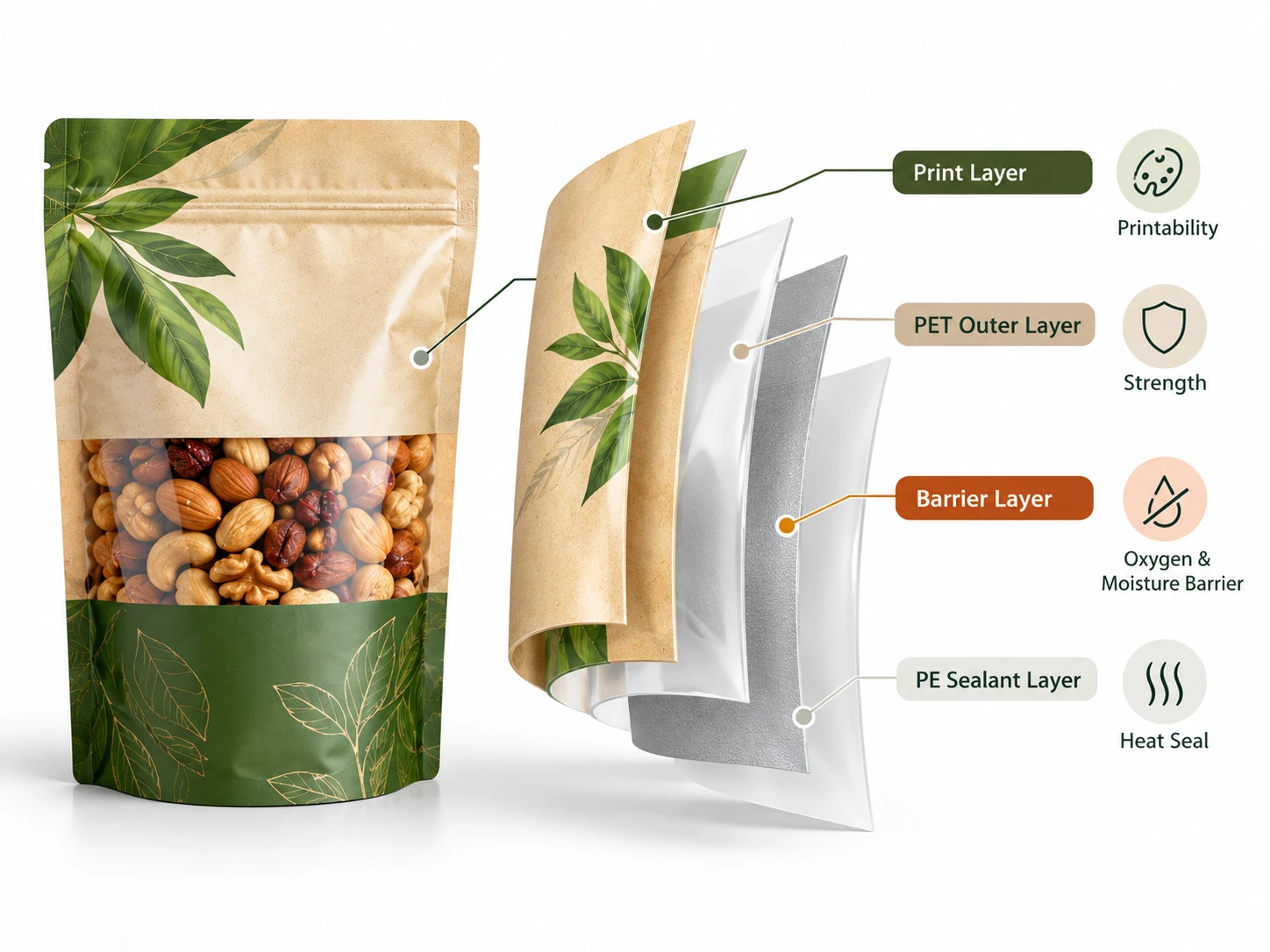
Many plastic food packaging pouches contain several layers, with each layer serving a particular function. Some provide strength or printability, while others help prevent moisture or oxygen from reaching the food.
Polyethylene (PE)
Polyethylene is commonly used as a heat-sealable layer in flexible food packaging.
Depending on its grade and construction, PE can provide flexibility, moisture resistance, and reliable sealing performance.
It is often combined with other films in laminated packages. Certain mono-PE structures can also be designed for recycling pathways where suitable collection and processing systems are available.
Polyethylene Terephthalate (PET)
PET is frequently used as an outer layer in laminated food pouches because it provides dimensional stability, mechanical strength, and a suitable surface for printing.
It can help maintain the appearance and handling properties of a package during conversion, filling, and distribution.
PET alone does not provide every barrier characteristic needed for sensitive food products, which is why it is often combined with other materials.
Biaxially Oriented Polypropylene (BOPP)
BOPP is used in many flexible food packages, particularly where appearance, stiffness, and print quality are important.
It is common in packaging for snacks, confectionery, and dry foods.
Depending on the application, manufacturers may use clear, coated, or metallized BOPP films to achieve different visual and functional properties.
EVOH and Other Barrier Layers
Some food products require additional protection against oxygen.
EVOH (ethylene vinyl alcohol) can provide strong oxygen-barrier performance under suitable conditions, although its effectiveness is influenced by humidity and the surrounding film structure.
Other packaging designs may use metallized films or aluminum foil laminates to provide enhanced barriers to oxygen, moisture, or light.
The right solution depends on the food’s sensitivity, intended shelf life, processing conditions, and distribution environment.
Single-Material and Recyclable Film Options
Brands increasingly ask about recyclable alternatives to conventional mixed-material laminates.
Mono-PE and mono-PP structures may be suitable for certain products when their barrier and mechanical requirements can be met.
However, recycle-ready does not automatically mean recyclable everywhere. Actual recyclability depends on the complete package, including coatings and closures, as well as local collection, sorting, and recycling infrastructure.
Food brands should evaluate both packaging performance and the recycling systems available in their target market before making environmental claims.
Choosing the Right Pouch for Different Food Products
There is no single packaging material or pouch style that works best for every food.
A good packaging specification starts with understanding what the product needs to be protected from.
| Food product | Common pouch options | Key packaging considerations |
|---|---|---|
| Nuts and dried fruits | Stand-up pouches | Oxygen, moisture, resealability |
| Coffee beans | Flat-bottom or side-gusset bags | Oxygen barrier, aroma retention, optional degassing valve |
| Spices and powders | Flat or stand-up pouches | Moisture protection, seal cleanliness, leakage prevention |
| Frozen vegetables | Lay-flat or pillow pouches | Low-temperature toughness, puncture resistance, seal strength |
| Sauces and purees | Spout pouches | Leak resistance, product compatibility, filling temperature |
| Candy and confectionery | Flat or stand-up pouches | Portion size, appearance, moisture sensitivity |
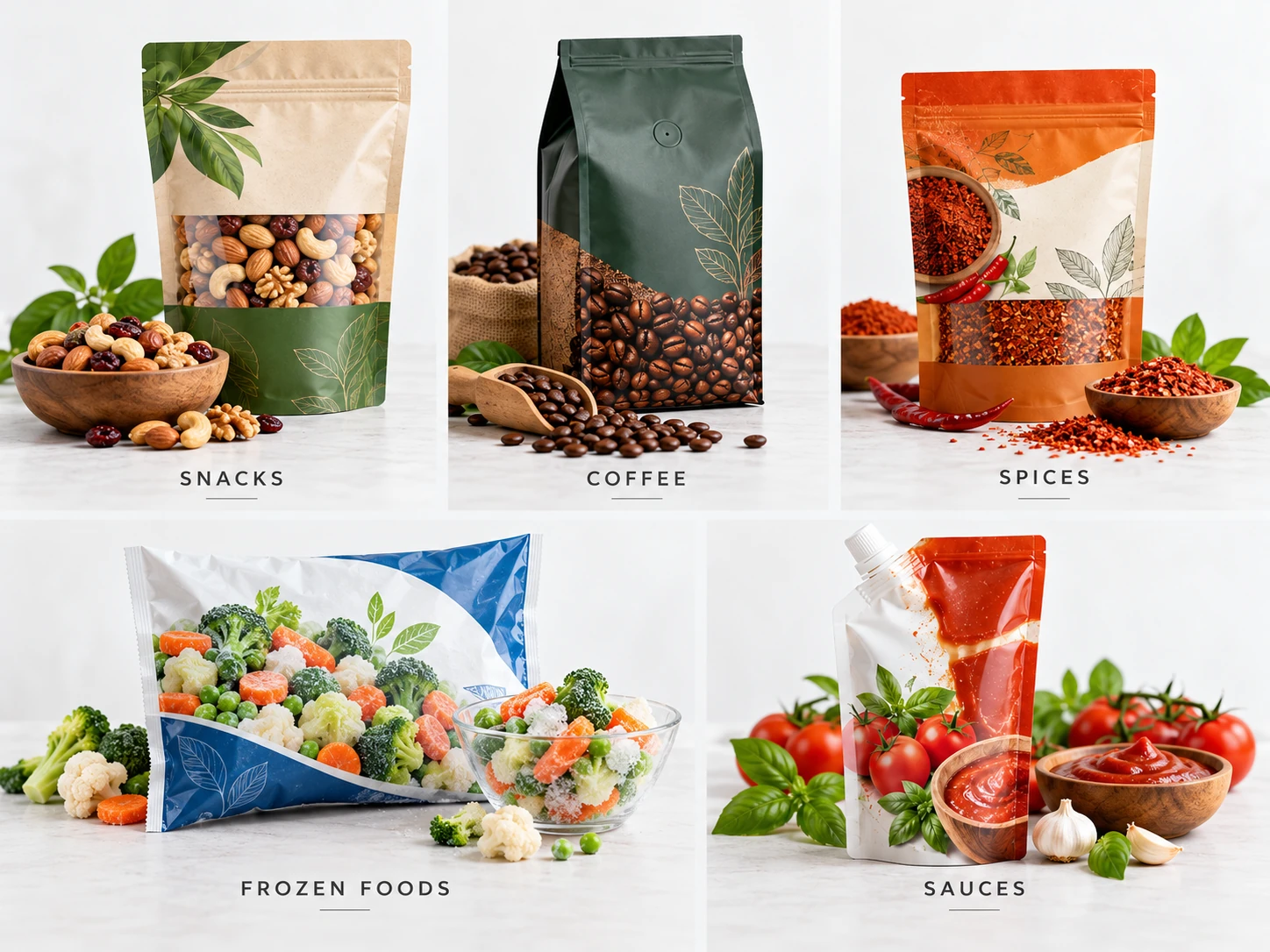
These are common starting points rather than fixed material specifications. Different formulations and shelf-life targets can require different structures even within the same food category.
Packaging for Snacks and Nuts
Products such as roasted nuts can be sensitive to oxygen exposure, which may contribute to flavor deterioration.
A suitable high-barrier structure, combined with effective sealing, can help limit exposure during storage.
Resealable zippers are useful for multi-serving packages, but the initial heat seal remains essential for protecting the unopened product.
Packaging for Coffee
Coffee packaging must account for aroma preservation, oxygen exposure, and, in some cases, gas released by freshly roasted beans.
A one-way degassing valve may be necessary for certain roasted coffee applications, allowing internal gas to escape while limiting air entry.
The valve’s specifications, film barrier, seal quality, and expected distribution period should be considered together.
Packaging for Frozen Foods
Frozen food pouches must tolerate handling at low temperatures without cracking or losing seal integrity.
Sharp or irregularly shaped frozen products can also place extra stress on the film.
Manufacturers should consider puncture resistance, low-temperature performance, packaging equipment, and conditions during transportation.
A pouch suitable for dry snacks is not automatically suitable for frozen food.
Packaging for Sauces and Liquid Foods
Liquid packaging introduces additional challenges, including leakage, product acidity, filling temperature, and closure compatibility.
For hot-filled, pasteurized, or retort-processed products, the entire packaging system must be designed and validated for the specific process.
Choosing a spout pouch based only on its appearance or capacity can lead to avoidable performance problems.
Custom Printing, Sizes, and Functional Features
Once the material and pouch format are selected, the next step is deciding how the packaging should look and function.
Custom Printing and Finishes
Custom printed food pouches can feature brand colors, product imagery, nutritional information, and other required labeling.
Common printing options include digital printing and conventional printing methods, such as rotogravure or flexographic printing, depending on the manufacturer’s capabilities.
Digital printing may be useful for smaller production runs, frequent design changes, and multiple product variations.
For larger, repeat orders, conventional printing may offer different cost and production advantages.
Brands can also select matte, glossy, or other finishes to create a consistent appearance across their product line.
Selecting the Correct Pouch Size
A pouch’s dimensions should reflect the actual product rather than relying only on its stated weight.
For example, 250 grams of whole coffee beans occupies a different volume than 250 grams of a dense powder.
When developing a custom size, consider:
- Net product weight and bulk density
- Required headspace
- Bottom or side gusset dimensions
- Zipper and heat-seal areas
- Filling equipment limitations
- Retail display and shipping requirements
Physical filling tests or sample evaluations are often the most reliable way to confirm the final dimensions.
Functional Packaging Features
Features should be selected according to how customers use the product.
A resealable zipper can help consumers store a multi-serving snack after opening. Tear notches make packages easier to open without scissors.
Hang holes may improve merchandising options, while transparent windows let shoppers see the food inside.
These features are useful, but they should not compromise the package’s required barrier or sealing performance.
For instance, a transparent window in a light-sensitive product may require additional consideration.
Food Safety and Barrier Protection
Food packaging must do more than keep a product looking fresh.
The materials intended to contact food need to be appropriate for their intended use and comply with applicable regulations in the markets where the product will be sold.
For example, food-contact packaging intended for the United States may need to meet relevant FDA requirements. Products sold in the European Union are subject to applicable EU food-contact material rules.
Compliance should be evaluated for the specific materials and intended conditions of use rather than assumed from a general description such as “food grade.”
Oxygen and Moisture Barriers
Oxygen can contribute to oxidation and quality deterioration in certain foods, while moisture exposure can affect texture, flowability, or microbial stability depending on the product.
Packaging films are often evaluated using measures such as:
- OTR (Oxygen Transmission Rate): Indicates how much oxygen passes through a film under specified test conditions.
- WVTR (Water Vapor Transmission Rate): Indicates how much water vapor passes through a material under specified conditions.
Lower transmission rates can be beneficial for products that require stronger barriers, but the appropriate values depend on the food and storage conditions.
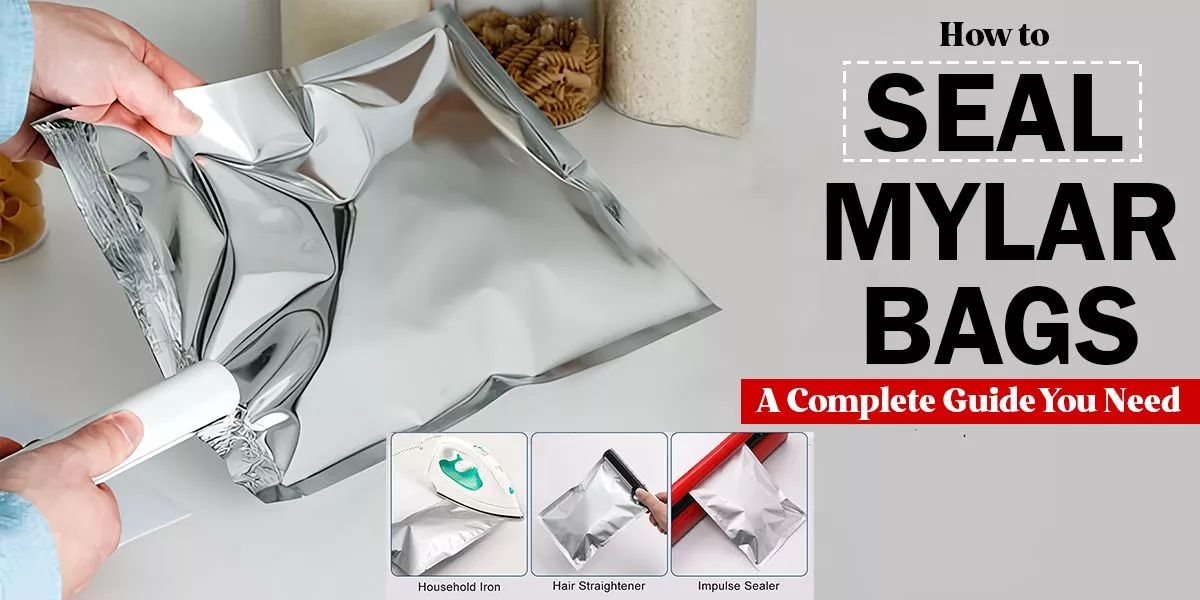
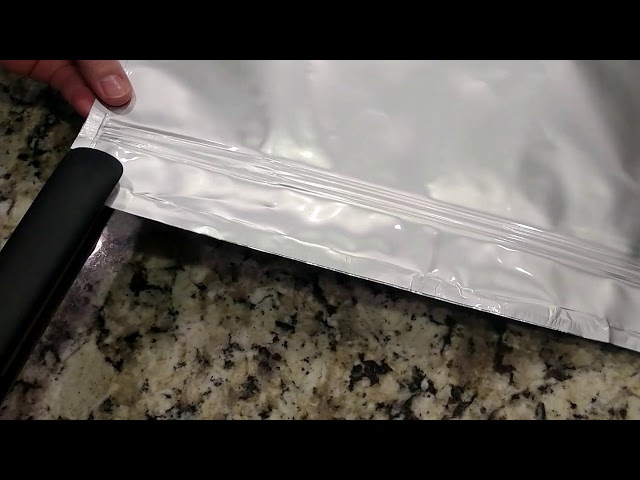
Seal Strength and Package Integrity
Even a high-barrier film will not protect a product effectively if the package has defective seals.
Heat-sealing temperature, pressure, dwell time, sealant compatibility, and contamination in the seal area can all affect final package integrity.
Food manufacturers should validate their packaging under realistic production and distribution conditions.
Packaging can contribute to shelf-life protection, but the final shelf life should be supported by appropriate product testing rather than assumed from the film specification alone.
How to Choose Custom Plastic Pouches for Your Brand
Before requesting quotations from a packaging supplier, it helps to define the important requirements of your product.
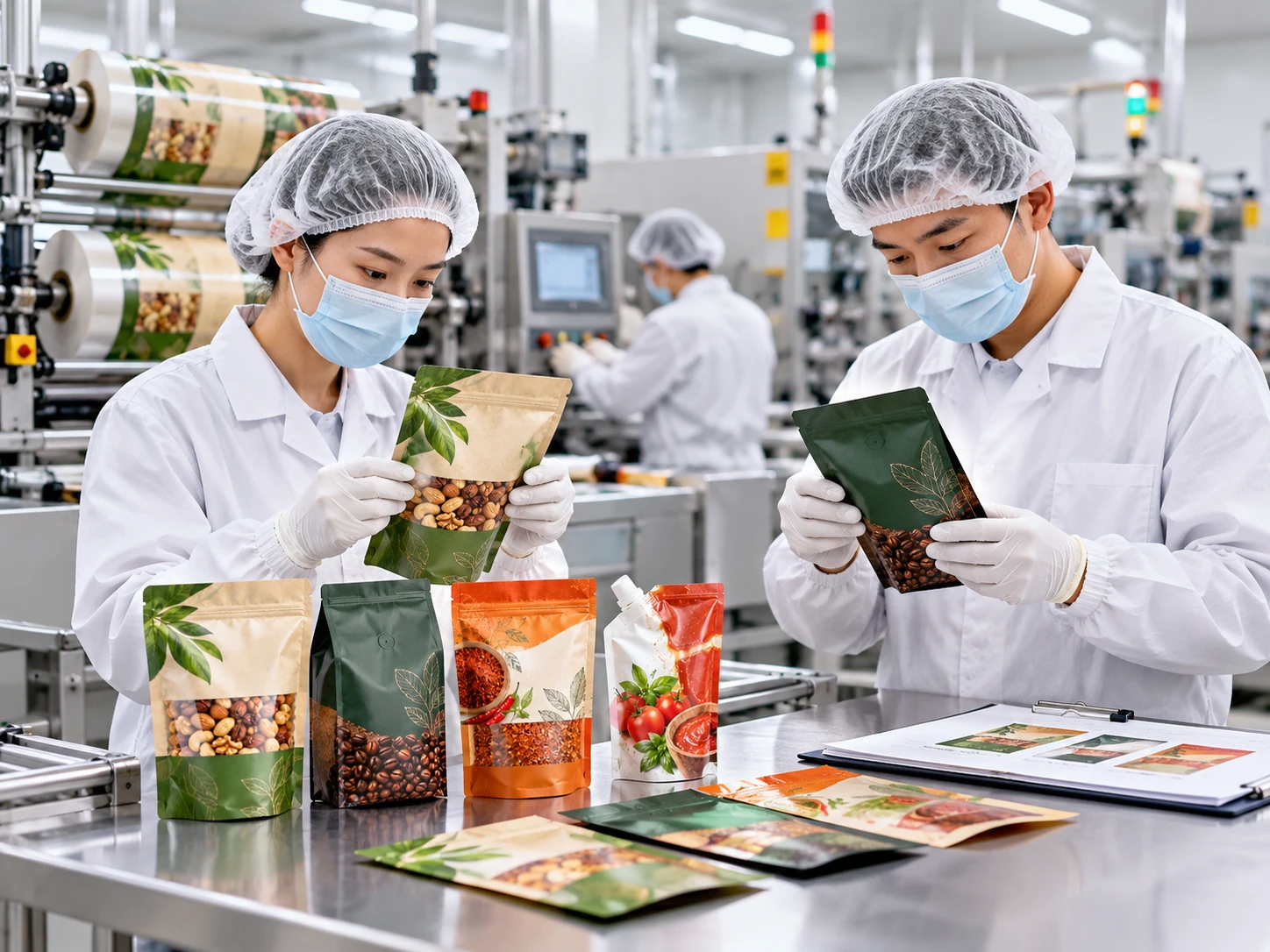
Step 1: Identify the food’s packaging needs.
Consider whether it is sensitive to oxygen, moisture, light, punctures, or temperature changes.
Step 2: Choose a suitable pouch format.
Decide whether a stand-up pouch, flat pouch, flat-bottom bag, or spout pouch best suits your product and filling process.
Step 3: Discuss material and barrier requirements.
Provide your supplier with the expected shelf life, storage conditions, and any available packaging performance specifications.
Step 4: Confirm dimensions and convenience features.
Review filling volume, gussets, zipper placement, tear notches, and other details. Request samples or prototypes when appropriate.
Step 5: Prepare artwork and labeling requirements.
Make sure your packaging layout accommodates branding, ingredients, nutrition information, barcodes, and other labeling required in your sales markets.
Step 6: Compare quotations and production requirements.
When evaluating suppliers, ask about minimum order quantities, printing methods, sample availability, production lead times, material documentation, and quality-control procedures.
A packaging quotation is more useful when it is based on a clear and consistent specification.
What Information Should You Send to a Packaging Manufacturer?
For a more accurate quotation, prepare the following details:
- Food product and intended application
- Target pouch dimensions or fill weight
- Preferred pouch style
- Estimated order quantity
- Required barrier performance or shelf-life target
- Printing artwork and number of design variations
- Zipper, spout, window, or other special features
- Filling and processing conditions
- Destination market and delivery requirements
You do not need to know every technical specification before contacting a manufacturer. An experienced packaging team can help narrow down material and format options based on your product.
Frequently Asked Questions
Are custom plastic pouches safe for food packaging?
They can be suitable for direct food contact when the materials and finished packaging meet the relevant requirements for the intended food, temperature, and conditions of use. Always confirm the applicable compliance documentation with your supplier.
Can plastic food pouches extend product shelf life?
The right barrier structure and effective seals can help reduce exposure to factors such as oxygen and moisture. However, actual shelf life depends on the food formulation, processing, storage conditions, and validated packaging performance.
What is the best plastic material for food pouches?
There is no universal best material. PE, PET, BOPP, and specialized barrier layers serve different purposes. The final structure should be selected according to product protection, sealing, filling, and regulatory requirements.
Can custom food pouches be recyclable?
Some mono-PE and mono-PP packaging structures are designed for recycling. Their actual recyclability depends on the complete package and the recycling infrastructure in the intended market.
What affects the price of custom printed plastic pouches?
The main factors include order quantity, pouch dimensions, film structure, printing method, number of designs, material usage, and optional features such as zippers or spouts.
Conclusion
Choosing custom plastic pouches for food packaging requires balancing product protection, presentation, convenience, and production requirements.
A stand-up pouch may be a good choice for snacks, while coffee, frozen foods, or liquid products may need different film structures and package features. Understanding these differences early can help food brands avoid unnecessary costs and packaging problems.
The most effective packaging starts with the food itself: its properties, filling method, storage requirements, and expected customer experience.
At Colorful Packaging, we manufacture custom flexible packaging for food brands, including stand-up pouches, flat-bottom bags, spout pouches, and printed packaging films. Our team can help evaluate packaging formats, materials, sizes, and printing options for your project.
Explore our custom food packaging solutions or contact us to discuss your packaging requirements.