Coffee isn’t just a drink—it’s an experience. From the moment you pick up a bag of beans or grounds, the packaging plays a starring role in shaping your perception of what’s inside. But beyond aesthetics, coffee packaging is a science, a marketing tool, and a guardian of freshness. Whether you’re a coffee roaster, a café owner, or just a caffeine enthusiast curious about what goes into that bag, here’s what you should consider when it comes to coffee packaging details.
1. Freshness is King: Material Matters
Coffee is sensitive—exposure to air, light, moisture, and heat can turn those aromatic beans into a stale disappointment. The right packaging material is your first line of defense. Multi-layer bags with foil or plastic linings are popular because they block out oxygen and UV rays. Kraft paper might look rustic and eco-friendly, but unless it’s paired with an inner barrier, it won’t keep coffee fresh for long.
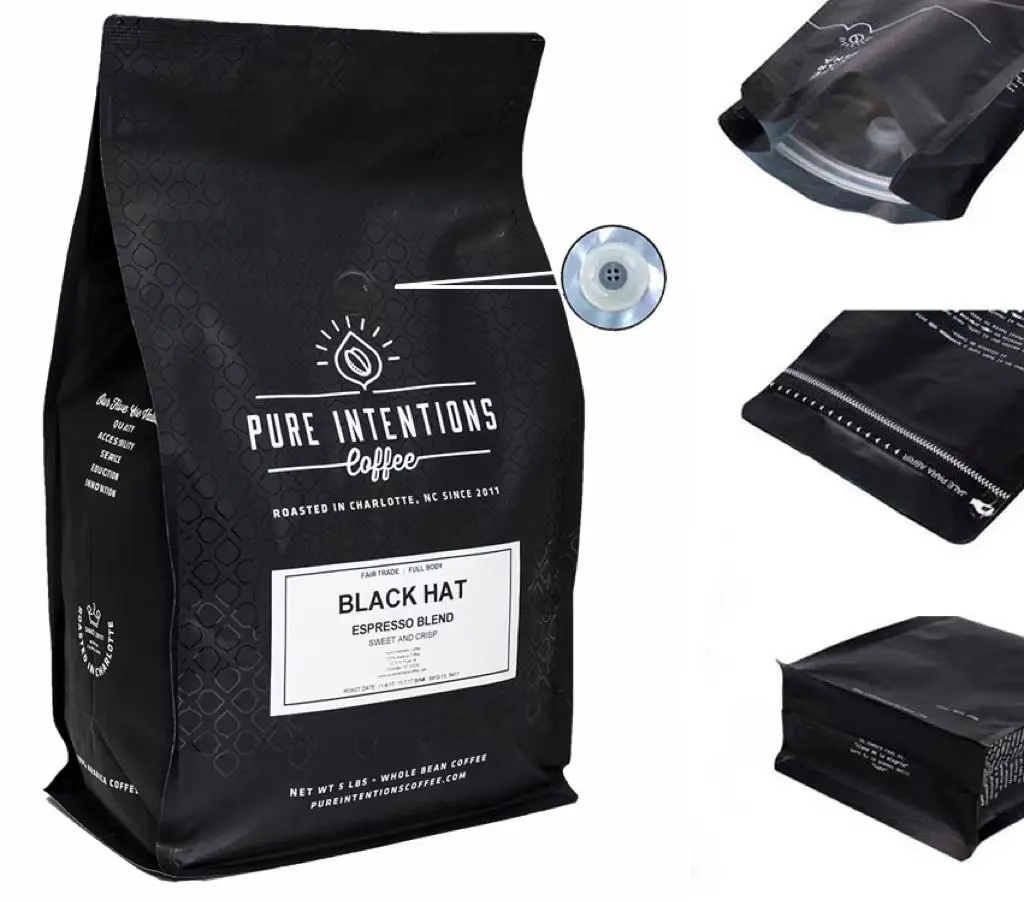
Consider bags with one-way degassing valves too. Freshly roasted coffee releases carbon dioxide for days, and without a valve, that gas could burst a sealed bag. Valves let the CO2 escape while keeping oxygen out—a win-win for quality.
2. Size and Shape: Convenience Meets Consumption
How much coffee do you drink? Packaging size should match consumption habits. A 12-ounce bag might be perfect for a solo sipper, but a 5-pound bulk bag suits a bustling household or café. Shape matters too—flat-bottom pouches stand upright and display well on shelves, while side-gusset bags save space and stack efficiently.
Think about resealability. Zipper closures or tin ties keep the coffee fresh after opening, which is a big deal for anyone who doesn’t brew a whole bag in one go.
3. Branding: Tell Your Story
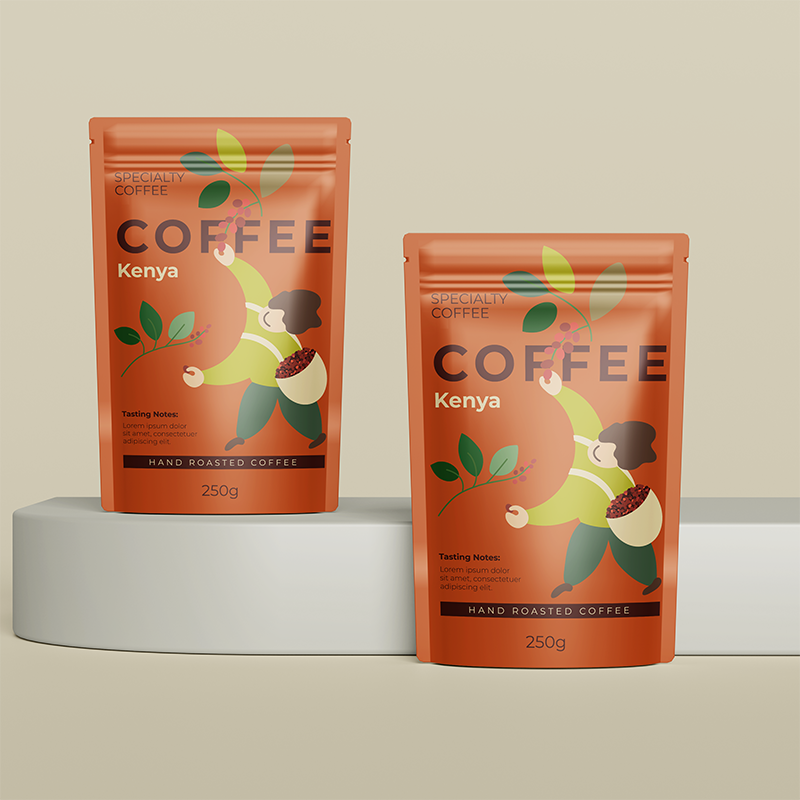
Your packaging is a billboard. The design—colors, fonts, logos—should scream your brand’s personality. Are you a quirky small-batch roaster or a sleek, modern coffee empire? Minimalist white bags with bold text might appeal to hipsters, while earthy tones and hand-drawn art could draw in the artisanal crowd.
Don’t skimp on the details either. Origin, roast level, tasting notes—these nuggets of info turn a bag into a story. Consumers love knowing their medium-roast Ethiopian Yirgacheffe has “floral and citrus undertones.”
4. Sustainability: Green Vibes Only
Eco-consciousness is no longer a trend—it’s a demand. Plastic-heavy packaging might keep coffee fresh, but it’s a turn-off for environmentally aware buyers. Look into biodegradable options like PLA-lined bags or compostable kraft paper. Even better, make it clear on the label: “100% Compostable” or “Recyclable” can sway a purchase.
But be honest—greenwashing fools no one. If your “eco-friendly” bag still ends up in a landfill, it’s not doing the planet (or your reputation) any favors.
5. Practicality: Storage and Shipping
Packaging isn’t just about the shelf—it’s about the journey. Will your coffee survive a cross-country trip without spilling? Reinforced seams and durable materials are a must. For home storage, think about how the bag fits in a pantry or on a counter. Sleek, compact designs win over bulky, awkward ones every time.
Final Brew: Balance is Everything
Great coffee packaging nails the trifecta: it preserves freshness, showcases your brand, and meets practical needs—all while flirting with sustainability. Next time you’re designing or picking a bag, weigh these factors. Your coffee deserves it, and so do your customers.